
Keynote speakers
International keynote speakers

Dr Lori Desautels, PhD
College of Education,
Butler University, USA
Dr Lori Desautels
Dr. Lori Desautels is an educator, researcher, and leading voice in applied educational neuroscience. Since joining Butler University’s College of Education in 2016, she has taught undergraduate and graduate students to integrate social and relational neuroscience into their practice, embedding a tier-one, trauma-accommodating Applied Educational Neuroscience framework throughout her coursework.
Lori developed the internationally adopted Applied Educational Neuroscience Certification, now used by thousands of educators, clinicians, and school leaders working with children affected by adversity. She is also a course partner with the Polyvagal Institute, collaborating with Dr. Stephen Porges to bring polyvagal-informed practices into schools, communities, and mental health settings.
Her work has appeared in Edutopia, Brain Bulletin, Mind Body Spirit, and the Brain Research Journal. She continues to co-teach in K–12 classrooms, integrating research-based practices that support nervous-system regulation, connection, and readiness to learn. Lori is the author of multiple books, including Connections over Compliance (2020), Intentional Neuroplasticity (2023), and Body and Brain Brilliance (2024).
Lori has worked with over 200 school districts across the U.S. and internationally—reaching more than 150,000 educators—and continues to advocate for trauma-responsive, relationship-centred educational practice.
Keynote title and overview
The Neurology of Leadership: Navigating the Adult Nervous System in Schools.
In Dr. Desautels' work, the adult is the "Thermostat"—if we are cold and rigid, the room freezes; if we blow a fuse, the room goes dark.
We are introducing a new framework for adults working with children and youth—a multi-tiered approach designed to support and nourish the adult nervous system. This framework offers practices and insights to deepen our awareness of our own nervous systems, enhance decision-making, and empower personal agency.
By addressing the needs of the adult nervous system in schools, districts, and organizations, we aim to foster a sustainable mindset for emotional and mental health. This, in turn, can reduce burnout, build resilience, and create a sense of safety within our learning communities.
The framework is flexible, offering different ways to support staff, individuals, or smaller groups. Think of the tiers as a menu, offering options that best meet the unique needs and preferences of adults. Whether you choose to engage with all the tiers or focus on just one or two, we welcome differentiation to ensure a personalized and effective approach.
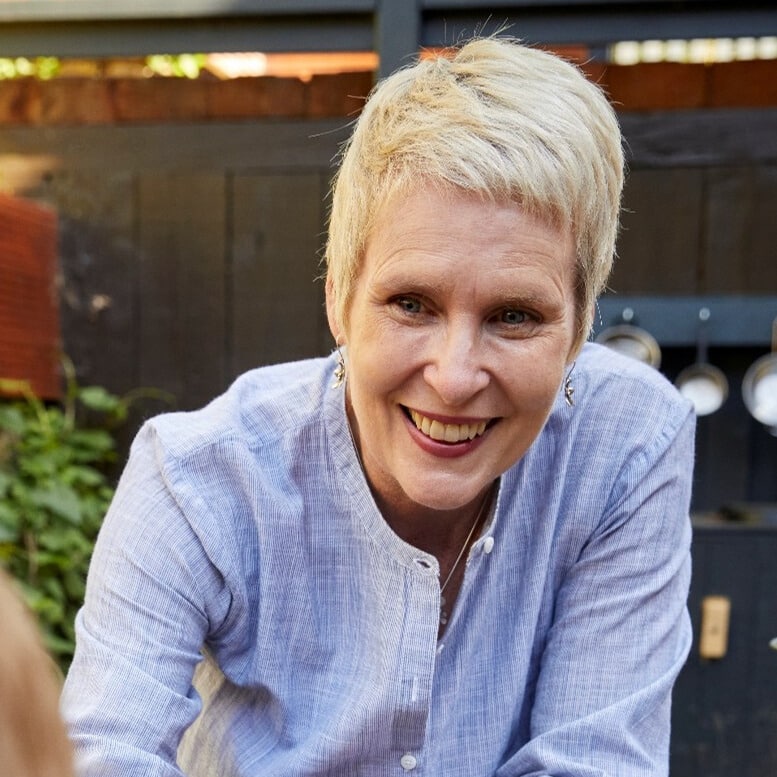
Professor Sally Pearse BA, MA, PGCE, EdD, EYP, NTF, PFHEA
Strategic Lead for Early Years & Director, Early Years Community Research Centre
Sheffield Hallam University, UK
Professor Sally Pearse
Sally is a professor of early childhood at Sheffield Hallam University and the Director of the Early Years Community Research Centre (EYCRC) which delivers nursery places and family support services in an area of social and economic challenge. Since 2017 Sally led work with early years colleagues from across South Yorkshire to develop collaborative projects, including a regional vision for effective early years practice and a project to transform the regions speech, language and communication services. Sally has an interest in trauma informed practice and introduced this into Initial Teacher Education at Hallam, and as an underpinning principle of the community work at the EYCRC. Prior to her current role Sally was Hallam’s Head of Area for 0-5 Teacher Education.
Keynote title and overview
Trauma-Aware Education: Inspiring minds, transforming lives, and moving beyond awareness.
Start where you are and do what you can! From Awareness to Action at Sheffield Hallam University, UK.
Sheffield Hallam University (SHU) is a major public university in a large post-industrial city in the north of England. The university has a strong, distinct focus on applied learning, vocational education, and graduate employability. It is one of the UK’s largest universities, with a student population of approximately 32,000. The university is a top UK provider of graduate training for teachers, health and social care professionals and the creative industries. It trains approximately 1,000 new teachers each year on its core programmes across all age phases of education.
In this session we will share how trauma informed practice came to Sheffield Hallam University, how we have applied the approach and our aspirations for future work. It will describe how Early years specialists introduced trauma informed practice, and how the knowledge and the momentum grew across multiple domains throughout the university. We will explore some of the challenges and barriers as well as the opportunities grasped by the willing and the ambitious.
Beginning pre-Covid, we will outline how the work was initially predominantly centred in the core Initial Teacher Education provision but was soon extended and became integrated into the Civic work of the university with partners and in communities. We will share two specific examples of trauma informed work that helped children, families and young people cope with the pandemic and its aftermath. As the positive impact of trauma informed practice became clear, we will outline how the call for awareness and action was taken up across multiple disciplines as well as in student support and wellbeing. Finally, we will reflect on the need for further action to address our current challenges in a world of change and insecurity.
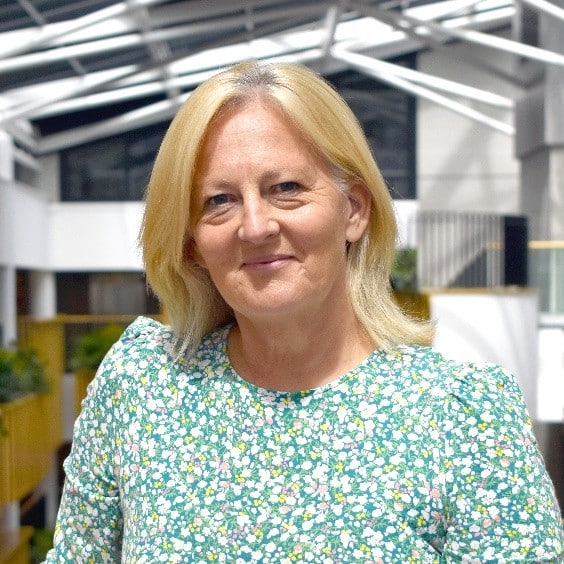
Professor Sue O’Brien
BA (Ed) Hons, QTS, MA, PFHEA
Head of the Chester School of Education,
University of Chester
Sue O’Brien
Sue O'Brien is an experienced Higher Education Leader, providing strategic meaningful leadership at scale, overseeing large and diverse education faculties and a broad portfolio of education programmes, working across numerous regional and national partnerships. With a particular focus on teacher development from initial education to ongoing support and development Sue has worked across all ages and phases of education.
As former strategic lead for her institution’s award winning, university civic based programme Sue rolled out the inclusion of Trauma Informed training for all 1000 + Initial Teacher Education university students , across all age phase from 0 to 19 as well as working extensively regionally to support schools and other organisations embed a Trauma Informed approach .This work included pioneering trauma informed mentoring work for young people during, and in the after math of the Covid epidemic lock down of schools and settings. Sue in her current position engages colleagues across her institution and across the Higher Education sector in researching and embedding Trauma Informed practice in Higher Education.
Keynote title and overview
Trauma-Aware Education: Inspiring minds, transforming lives, and moving beyond awareness.
Start where you are and do what you can! From Awareness to Action at Sheffield Hallam University, UK.
Sheffield Hallam University (SHU) is a major public university in a large post-industrial city in the north of England. The university has a strong, distinct focus on applied learning, vocational education, and graduate employability. It is one of the UK’s largest universities, with a student population of approximately 32,000. The university is a top UK provider of graduate training for teachers, health and social care professionals and the creative industries. It trains approximately 1,000 new teachers each year on its core programmes across all age phases of education.
In this session we will share how trauma informed practice came to Sheffield Hallam University, how we have applied the approach and our aspirations for future work. It will describe how Early years specialists introduced trauma informed practice, and how the knowledge and the momentum grew across multiple domains throughout the university. We will explore some of the challenges and barriers as well as the opportunities grasped by the willing and the ambitious.
Beginning pre-Covid, we will outline how the work was initially predominantly centred in the core Initial Teacher Education provision but was soon extended and became integrated into the Civic work of the university with partners and in communities. We will share two specific examples of trauma informed work that helped children, families and young people cope with the pandemic and its aftermath. As the positive impact of trauma informed practice became clear, we will outline how the call for awareness and action was taken up across multiple disciplines as well as in student support and wellbeing. Finally, we will reflect on the need for further action to address our current challenges in a world of change and insecurity.

Jase Williams
TEDx speaker, award-winning educator, author and former Principal.
Jase Williams
Jase Williams is a TEDx speaker, award-winning educator, and author of Your Trauma Has A Whakapapa. With over 25 years in education, he is recognised as one of New Zealand’s leading voices in trauma-aware, equity-centred, and relational neuroscience practice.
As Principal of Henry Hill School (2012–2022), Jase led a nationally recognised wellbeing transformation, earning the 2021 Prime Minister’s Education Excellence Award.
He is known for making trauma relatable and accessible, weaving neuroscience with indigenous ways of knowing and being to create culturally grounded approaches that have been transformational across corporate boardrooms, health agencies, First Nations communities in North America, gang headquarters, and prisons.
Today, he continues to advocate for systems rooted in belonging, emotional safety, unconditional love, and healing.
Keynote title and overview
Unconditional Love and the Power of Being Seen Through Indigenous Ways of Knowing and Being
In a world often obsessed with "fixing" behaviour, Jase Williams (Māori) offers a different invitation: to stop looking at what is wrong with a person and start honouring who they are and where they come from, and the generations of knowing and being they embody. Drawing on over 25 years of experience—from the principal’s office to inside our prisons—Jase bridges the gap between relational neuroscience and the ancient wisdom of te ao Māori (the Māori world).
This keynote moves beyond the theory of trauma-aware and informed care and into the "middle of the work." Jase challenges the traditional constructs of resilience, replacing them with a framework grounded in whanaungatanga (connection) and aroha (unconditional love). He shares insights from his work alongside educators, social agencies, communities, gang members, and incarcerated men to demonstrate that true healing doesn’t happen through programs; it happens when a person feels truly seen, heard, known, valued, and loved.
Through this indigenous lens, Jase explores:
- Ways of Knowing and Being: How ancestral wisdom provides a blueprint for equity-driven, compassionate practice in modern, high-stress settings.
- The Neurobiology of Belonging: Why safety and relationship are the primary prerequisites for any cognitive or behavioural shift.
- Mana-Enhancing/Strength Based Connection: Moving from "managing" people to uplifting their inherent dignity and worth through unconditional love.
Jase’s message is a call to return to our most basic human needs. It is an advocacy for the "unconditional"—reminding us that when we provide a true felt sense of belonging and cultural safety, we don't just mitigate trauma; we create the conditions for genuine transformation and collective community healing.
National keynote speakers

Dr Jen Achari
Lecturer, School of Education, Edith Cowan University
Dr Jen Achari
Dr Jen Achari is a national voice in trauma-informed education, working at the intersection of system leadership, research, and school transformation. She leads schools and educational settings to embed trauma-informed practice in sustainable, whole-school ways, and lectures in trauma-informed education at Edith Cowan University. Jen’s research developed a trauma-informed national framework for alternative education, as well as a model designed for use across all schools and educational settings to strengthen inclusive, student-centred practice. Drawing on her lived experience of complex trauma, she brings both professional expertise and personal insight to her leadership, research, and teaching—advocating for education systems where every student and member of staff feels safe, supported, and able to thrive.
Keynote title and overview
After the Storm: A Journey of Trauma and Transformation
Dr Jennifer Achari shares her lived experience of childhood trauma and the deeply personal journey that shaped her life, leadership, and purpose. Separated from her biological parents as an infant due to mental illness, addiction, and violence, her early years were marked by instability and adversity. Yet her story does not end there. Through honest reflection, Jennifer explores what it means to move from survival to self-awareness, from dysregulation to self-regulation, and from pain to possibility. She connects her personal healing journey to her work as an educator and in trauma-aware education, highlighting a powerful truth: our capacity to co-regulate and support young people begins with our own inner work.
This keynote is not about theory alone — it is about deeply personal inner work. It is about understanding how trauma shapes the brain, body, and identity, and the journey towards intentional healing. With vulnerability and hope, Jennifer emphasises that while trauma is real and its impact profound, it does not have to define the future for those with lived experience, including the children and young people we teach.
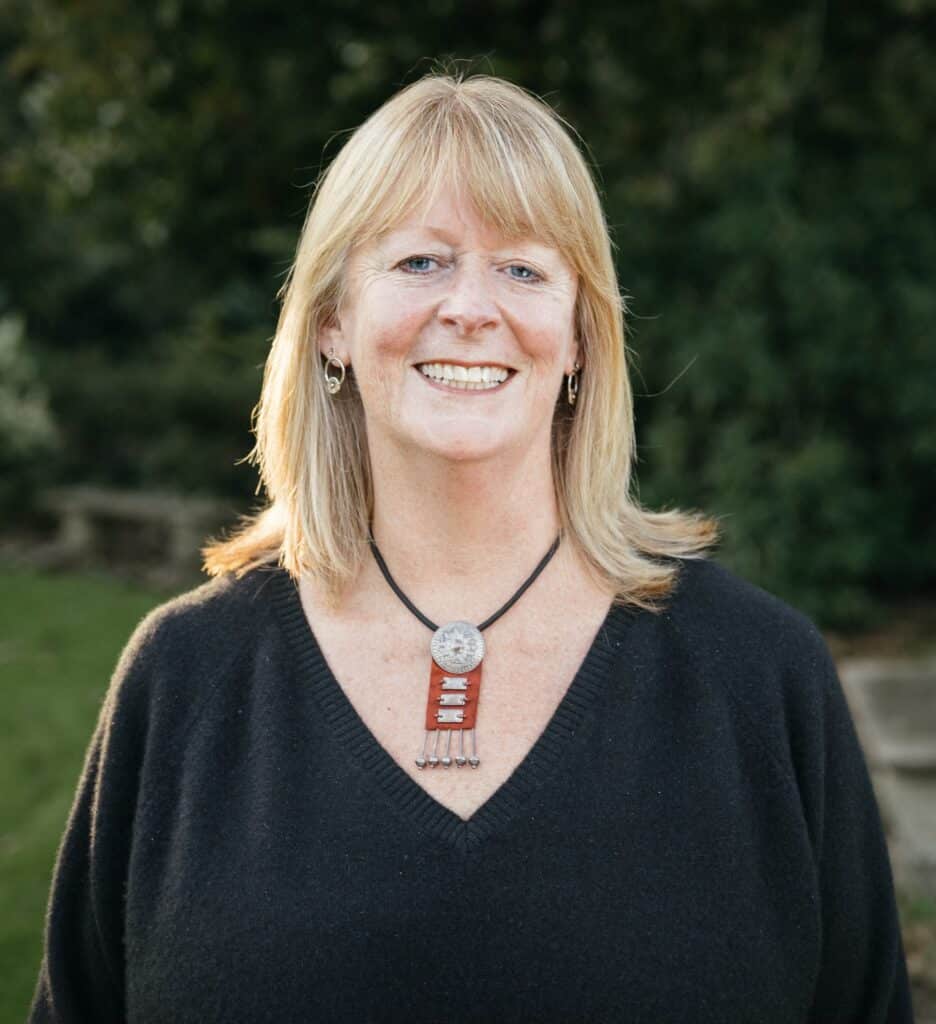
Janise Mitchell
Chief Executive Officer of Australian Childhood Foundation
Janise Mitchell
Janise Mitchell is one of Australia’s leading voices in the field of childhood trauma and child abuse prevention. A career spanning more than 30 years, she has played a pivotal role in transforming systems of care and advancing therapeutic support for vulnerable children and young people.
Janise is the Chief Executive Officer of Australian Childhood Foundation delivering trauma-informed therapeutic services across Australia. In this role, she has led the development and implementation of state-wide and national programs in therapeutic out-of-home care, therapeutic counselling services for children and young people who have experienced a range of forms of abuse and violence, child abuse prevention, and professional education. She is also an Adjunct Associate Professor at Southern Cross University, where she contributes to research on relationship-based and trauma-responsive practice. She is a Board member of both the National Centre for Action on Child Sexual Abuse and the Centre for Excellence in Child and Family Welfare (Victoria and Tasmania).
She was awarded a Master of Social Work (Research) in 2008, with a focus on therapeutic care policy and practice. Since then, Janise has led applied research projects, government consultancies, and program evaluations, ensuring that evidence translates into real-world impact. She has collaborated with leading researchers including Professor Chris Goddard and the late Dr Joe Tucci and is currently involved in a range of Australian Research Council funded research projects with a number of universities across Australia.
Janise has published more than 48 peer-reviewed articles, co-edited and written chapters in two internationally recognised books: The Handbook of Therapeutic Care (2019) and The Handbook of Transformative Practice (2024), both published by Jessica Kingsley, London. She also co-convenes the biannual International Trauma Conference, which attracts over 2,500 professionals globally.
Keynote title and overview
Trauma‑Transformative Education: Building Schools Where Safety, Connection and Healing Can Flourish
Schools are now at the frontline of responding to the impacts of trauma on children and young people. Teachers see it every day in learning disruptions, relational withdrawal, emotional overwhelm and behaviours that communicate distress long before they communicate intent. Yet the frameworks available to educators have not kept pace with the complexity of what children are carrying, nor with what schools are being asked to hold.
This keynote traces the evolution of trauma‑informed approaches and explains why education now needs a more contemporary, practice‑aligned paradigm: trauma‑transformative practice. The presentation highlights how early trauma‑informed models helped raise awareness but have struggled to translate into consistent, measurable change in classrooms and school cultures.
Trauma‑transformative practice offers that roadmap. It reframes trauma not as a behavioural issue but as a disruption to safety, development, meaning‑making and relational connection and positions schools as powerful environments for buffering, healing and hope. The keynote introduces the dimensions of trauma‑transformative educational practice, including:
- Safety and predictability as foundations for learning
- Shame‑responsiveness and relational repair
- Cultural humility and decolonising commitments
- Strengths‑based meaning‑making
- Relational integration across the whole school
- Compassion, hope and future orientation
- Collective responsibility and system alignment

Ben Sacco
Managing Director, Education Economy
Ben Sacco
With more than 20 years of experience in Education, Ben Sacco works with schools and education systems to create the conditions for quality teaching, engaged learning and whole school wellbeing.
Ben is an education specialist and Author of ‘Disruption in Schools: Understand me before you mark me!’. He works with schools, teachers and principals to tackle issues like teacher burnout, retention, school culture and student behaviour.
Ben and his work have been featured in the Herald-Sun newspaper, ABC Radio and 9 News.
Many of his strategies to improve behaviour and classroom dynamics in schools are grounded in a deep understanding of neuroscience, child development and psychology.
Ben is the Managing Director of Education Economy, an education consulting business focused on ensuring that education professionals do not face diminished health and wellbeing outcomes as an outcome of doing what they love!
Ben is also a children's author of three books titled, “There's a Spider in my Tummy", "There's a Buzzing Bee in my Head" and “Hey Dad! The Story of curious Scarlett.”
Ben gets to know people and their stories and is passionate about advocating for change and refined practice. He brings both a systems perspective and frontline experience, which allows him to take a balanced approach to improving organisational efficiency, workforce productivity and employee quality of life.
Keynote title and overview
Prevention is Better than a Cure: preparing our children for the world they inherit.
In a world defined by rapid change, uncertainty and complexity, meaningful impact comes from intentionally shaping learning environments that prevent disengagement through learner curiosity, safety and trauma-informed practices.
Drawing on insights from his book “Disruption in Schools: Understand me before you mark me!”, Ben Sacco demonstrates how children learn to navigate uncertainty, make decisions and reflect on outcomes when given agency rather than direction. Structures that are predictable do not always create calm and prevention is not about shielding children from challenges either.
This keynote explores considerations for designing learning environments that help children think critically, adapt, reflect and heal. We will examine the difference between protection and preparation, why over-structured learning can limit growth and how conditions that encourage learner curiosity are important in modern classrooms.
These are the conditions that transform uncertainty into opportunity.

Prof James Scott MBBS; FRANZCP, Cert Child and Adol Psychiatry; PhD
Conjoint Professor of Child and Youth Psychiatry at The University of Queensland and Children’s Health Queensland
Prof James Scott MBBS; FRANZCP, Cert Child and Adol Psychiatry; PhD
James is the Conjoint Professor of Child and Youth Psychiatry at The University of Queensland and Children’s Health Queensland. He has developed a program of child and youth mental health research focused on the prevention and early intervention of mental illness in young people. He is a Chief Investigator on the Australian Child Maltreatment Study, the first study to report the national prevalence of child maltreatment and the associated health and psychosocial harms. James continues to work as a clinician caring for children and young people in outpatient and inpatient clinics. James was the inaugural winner of the RANZCP The Section of Youth Mental Health Excellence Award (2025) presented for his outstanding contributions to advancement of Youth Mental Health in Australia and New Zealand.
Keynote title and overview
Trauma and ADHD: How should we support children with inattention and disorganisation?
There has exponential rise in children and adults seeking treatment for ADHD in high income countries across the globe. In Australia, approximately one in 20 children are diagnosed and receiving treatment for ADHD- often with little regard for the environment in which they are living and the adversities which they have experienced. Inattention, impulsivity and disorganisation are transdiagnostic problems- they occur in depression, anxiety and in response to trauma. The Australian Child Maltreatment Study showed that 62% of Australians experience one or more forms of maltreatment in childhood.
This presentation outlines issues around the diagnosis and optimal management of ADHD and considers the role of trauma, adversity and other factors that may be causal of or worsen executive dysfunction. The appropriate standard of care for children being assessed and treated for attentional problems with be outlined. The challenges of supporting children with both executive dysfunction and childhood trauma will be discussed and strategies provided to support the best outcome for neurodiverse children who have experienced adversity.

Dr Nicole Tujague
Co-founder, The Seedling Group. Senior Lecturer at Gnibi College of Indigenous Australian Peoples.
Dr Nicole Tujague
Dr Nicole Tujague is a descendant of the Kabi Kabi People of Southeast Queensland and South Sea Islander people of Gaua Island, Vanuatu. Raised across several Queensland Aboriginal communities, she has worked extensively with Indigenous families nationwide. Dr Tujague specialises in co-design, culturally safe Indigenous-led evaluation, and trauma-informed practice, delivering training across sectors since 2010. Her PhD explored what Aboriginal and Torres Strait Islander Peoples value when evaluating programs affecting their lives.
She is the co-author of Billabongs of Knowledge and serves on the Board of the Australian Evaluation Society and as Associate Editor of the Evaluation Journal of Australasia.
Keynote title and overview
Billabongs of Knowledge: Cultural Safety in Trauma‑Informed Practice from a First Nations Perspective
This keynote deepens educators’ understanding of trauma from a First Nations perspective, recognising the ongoing impacts of colonisation alongside the strength of cultural identity and connection to the domains of Indigenous Social Emotional Wellbeing. It explores types of traumas, with particular attention to racial trauma and how it shapes student safety, belonging, and engagement in education. Drawing on lived and practice‑based wisdom, the session highlights culturally safe approaches to sharing knowledge and building respectful relationships with Aboriginal and Torres Strait Islander learners and communities. Educators will also examine vicarious trauma and self‑care, emphasising reflective practice and collective wellbeing as essential to sustainable work. The keynote concludes by centring culture and healing, illustrating how cultural practices, story, and kinship systems foster resilience and create conditions for transformative learning. Participants will leave with practical, culturally grounded strategies that strengthen trauma‑informed practice and enhance cultural safety for all students.

Kelleigh Ryan
Co-founder, The Seedling Group. Director and Consulting Psychologist for The Seedling Group.
Kelleigh Ryan
Kelleigh Ryan is a descendant of the Kabi Kabi people of South-East Queensland and the Australian South Sea Islanders on her mother’s side. Kelleigh is a AHPRA registered psychologist with a private practice in Brisbane, working with Indigenous and non-Indigenous clients healing from Trauma. Her passion lies in finding solutions that work for healing from trauma, across cultures, lifespans and environments. Kelleigh is co-founder and owner of The Seedling Group, a 100% Indigenous owned company providing psychological consultancy, evaluation and Culturally Safe Trauma Informed Practice Training for healing, with organisations, communities and individuals.
Kelleigh is the co-founder and Director of The Seedling Collective, an Indigenous owned and operated Employee Assistance Provider with a trauma informed approach to supporting Indigenous and non-Indigenous workers through counselling and supervision across Australia.
In 2015, Kelleigh was appointed a position on the Aboriginal Clinical Governance Advisory Committee Aboriginal Health & Medical Research Council (AH&MRC) 2015 of New South Wales. She is proud to be the first Aboriginal Psychologist appointed as a Clinical Assessor on the Psychologist Panel of Assessors for the Queensland Civil and Administrative Tribunal (QCAT) in (2015-2020). Since 2016 Kelleigh has had the privileged to be co-convenor of the APS Aboriginal and Torres Strait Islander Peoples and Psychology Interest Group.
In 2019 Kelleigh was honoured with the Indigenous Allied Health Australia’s “Lifetime Achievement Award” and in 2021 Kelleigh was awarded the membership of Fellow to the Australian Psychological Society (APS) for her work in strengthen the field of psychology and the APS through her expertise and contributions to research, practice and policy.
In 2023 Kelleigh co-authored the book Cultural Safety in Trauma-Informed Practice from a First Nations Perspective: Billabongs of Knowledge. Palgrave Macmillan.
In 2023 Kelleigh received recognition for her work through nomination to the position of Industry Fellow in the Faculty of CI, Education & Social Justice, Centre for Justice, at the Queensland University of Technology QUT.
Kelleigh held the position of Co-Vice Chair on the Australian Indigenous Psychologist Association Board (AIPA) for two terms and now serves on the AIPA Board.
Keynote title and overview
Billabongs of Knowledge: Cultural Safety in Trauma‑Informed Practice from a First Nations Perspective
This keynote deepens educators’ understanding of trauma from a First Nations perspective, recognising the ongoing impacts of colonisation alongside the strength of cultural identity and connection to the domains of Indigenous Social Emotional Wellbeing. It explores types of traumas, with particular attention to racial trauma and how it shapes student safety, belonging, and engagement in education. Drawing on lived and practice‑based wisdom, the session highlights culturally safe approaches to sharing knowledge and building respectful relationships with Aboriginal and Torres Strait Islander learners and communities. Educators will also examine vicarious trauma and self‑care, emphasising reflective practice and collective wellbeing as essential to sustainable work. The keynote concludes by centring culture and healing, illustrating how cultural practices, story, and kinship systems foster resilience and create conditions for transformative learning. Participants will leave with practical, culturally grounded strategies that strengthen trauma‑informed practice and enhance cultural safety for all students.

Youth Voice
Queensland Program of Assistance to Survivors of Torture and Trauma (QPASTT)

Nouralhuda Akhalaki
Queensland Program of Assistance to Survivors of Torture and Trauma (QPASTT)Youth Voice
Huda is an emerging actor and creative working across both screen and stage, having recently completed her actor training and graduated from the Bachelor of Fine Arts (Acting) program at Queensland University of Technology in 2024. She is currently signed with and represented by KHOO Management and is embarking on her professional career in the performing arts industry.
In 2021, Huda performed in the La Boite Theatre Company Youth Ensemble Program, appearing in Time Is Now, directed by Ari Palani, Aleea Monsour, and David Burton. In 2024, she performed in Hibernation, directed by Catarina Hebbard, and later in Very Fine People, directed by Wesley Enoch.
Alongside her creative practice, Huda maintains a strong presence in community advocacy and youth leadership. She currently serves as Vice-President of the Future Leaders Advocacy Group and is an active member of the QPASTT Youth Voice Group and Multicultural Youth Queensland (MYQ). In 2024, she presented alongside the QPASTT Youth Voice Group at the Trauma Awareness Conference, helping bring attention to issues affecting multicultural young people. She was also selected as a speaker for the Queensland Family and Child Commission 2024 Youth Summit, addressing stakeholders and government agencies.
Additionally, Huda was selected for the Girls Run The World Young Diplomats Program in Canberra and serves as a member of the Youth Wellbeing Advisory Committee. In 2026, she helped lead the FLIP the Narrative project pitch at the 2026 Youth Matters Conference, contributing to conversations focused on youth empowerment, representation, and social impact.
Huda currently works as a Student Support Officer at the Gold Coast Student Hub, supporting international students in their academic and personal journeys. She also works within the Youth Team at Multicultural Australia, contributing to programs that empower and support young people from diverse cultural backgrounds. In addition, she serves as a Project Officer for the OCCA Project with the Brisbane Shapers Hub.
Keynote title and overview
From Lived Experience to Leadership: Youth Voices Shaping Trauma-Aware Education
In this keynote address, Youth Voice members centre the lived experiences of young people within conversations about trauma-aware education. Through storytelling and reflection, they explore intersectional trauma, racism, discrimination, and the systemic barriers that shape the educational journeys of students from refugee and migrant backgrounds. At the same time, they highlight the powerful role educators, mentors, and institutions can play in disrupting harmful cycles and fostering environments of belonging. By elevating youth perspectives, this presentation calls for education systems that not only respond to trauma, but actively cultivate spaces where young people are supported to contribute, lead and thrive.

Brazil Pele
Queensland Program of Assistance to Survivors of Torture and Trauma (QPASTT)Youth Voice
Brazil Pele is an 18-year-old Leadership Ambassador with QPASTT’s Peace Leadership Program, where young people develop leadership, communication, and conflict resolution skills to help build stronger, more connected communities.
As a young person from an African refugee background, Brazil brings a lived perspective on identity, belonging, and is part of a growing cohort of emerging leaders working to foster understanding across diverse communities.
Alongside their leadership work, Brazil has experience in school and community leadership, as well as coaching others to build confidence, teamwork, and practical skills. They hold a Certificate II in Hospitality and are currently working towards a childcare qualification, reflecting their commitment to supporting young people to grow and thrive.
Keynote title and overview
From Lived Experience to Leadership: Youth Voices Shaping Trauma-Aware Education
In this keynote address, Youth Voice members centre the lived experiences of young people within conversations about trauma-aware education. Through storytelling and reflection, they explore intersectional trauma, racism, discrimination, and the systemic barriers that shape the educational journeys of students from refugee and migrant backgrounds. At the same time, they highlight the powerful role educators, mentors, and institutions can play in disrupting harmful cycles and fostering environments of belonging. By elevating youth perspectives, this presentation calls for education systems that not only respond to trauma, but actively cultivate spaces where young people are supported to contribute, lead and thrive.

Freshta Amini
Queensland Program of Assistance to Survivors of Torture and Trauma (QPASTT)
Youth Voice
Freshta Amini is a Year 11 student at Yeronga State High School, originally from Afghanistan. Having arrived in Australia in 2023, she has actively contributed to her community through youth voice, student voice, volunteering, and school initiatives. Since September 2024, Freshta has been involved with QPASTT Youth Voice, advocating for young people and contributing to positive change. She also volunteers at community events, including the Ekka and local Red Cross Op Shops, and supports school programs, events, and fundraisers. Her experiences as a refugee in Pakistan, where she faced barriers to education and opportunities, shaped her belief that community participation is essential to belonging and progress.
Keynote title and overview
From Lived Experience to Leadership: Youth Voices Shaping Trauma-Aware Education
In this keynote address, Youth Voice members centre the lived experiences of young people within conversations about trauma-aware education. Through storytelling and reflection, they explore intersectional trauma, racism, discrimination, and the systemic barriers that shape the educational journeys of students from refugee and migrant backgrounds. At the same time, they highlight the powerful role educators, mentors, and institutions can play in disrupting harmful cycles and fostering environments of belonging. By elevating youth perspectives, this presentation calls for education systems that not only respond to trauma, but actively cultivate spaces where young people are supported to contribute, lead and thrive.